CATHERINE CLANCY
A R T I S T
Painter · Sculptor
Bordeaux, France · London, UK
WHERE ART BEGINS
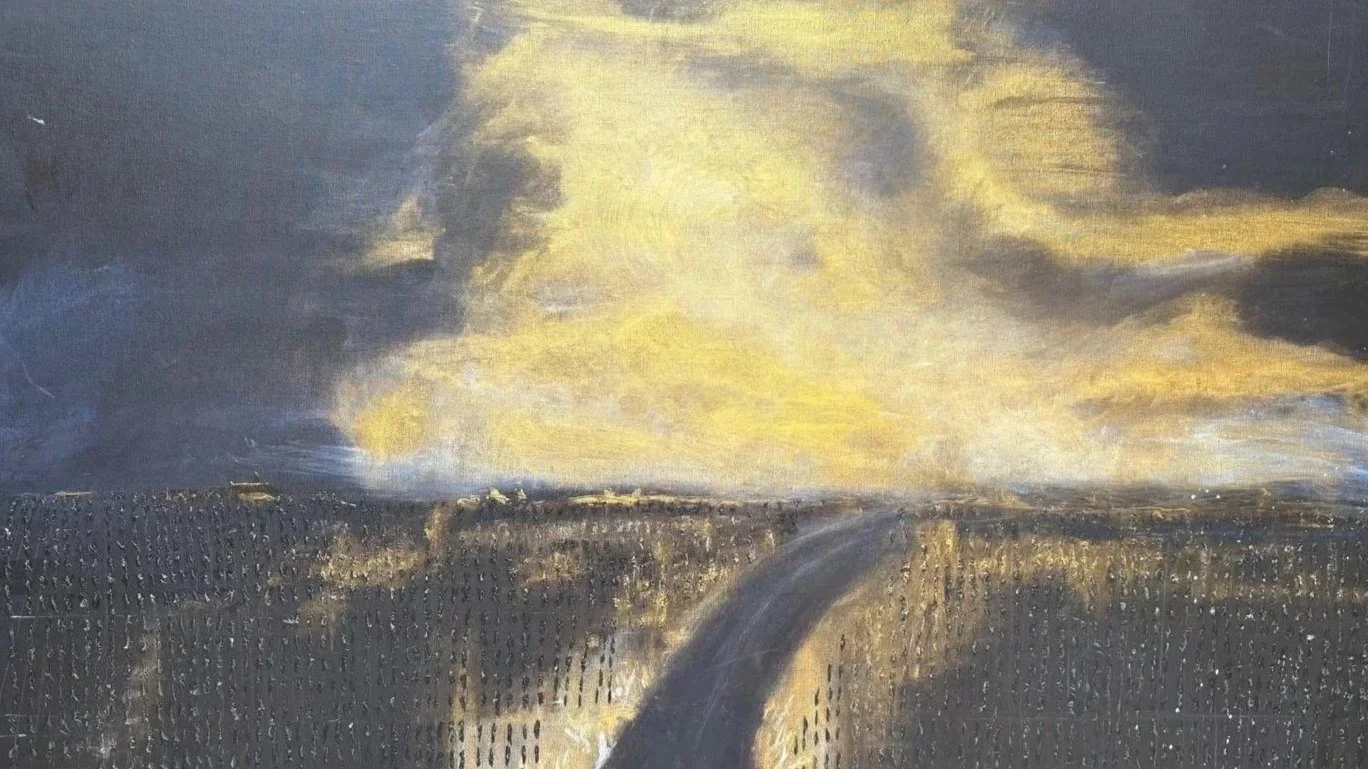
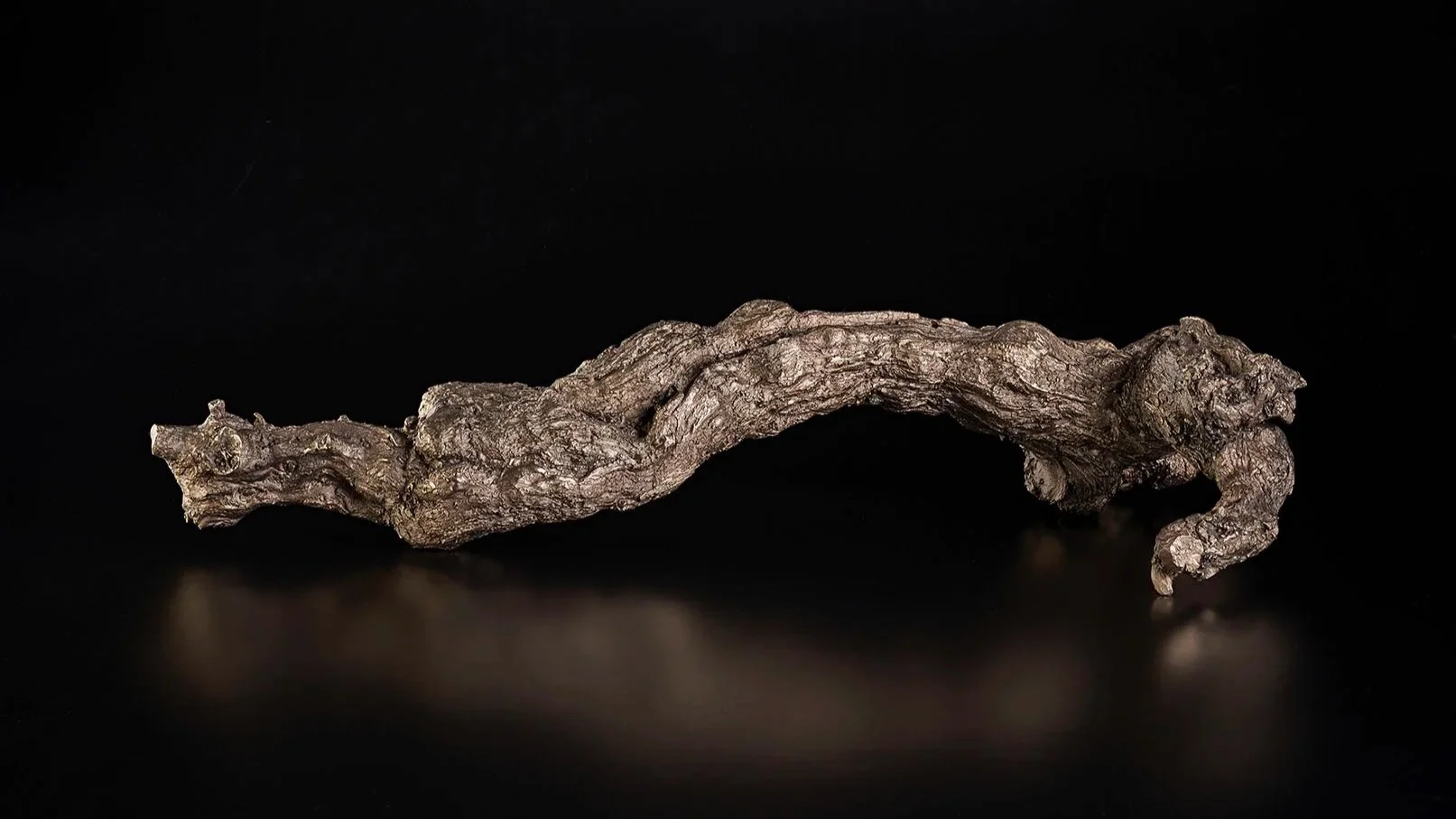
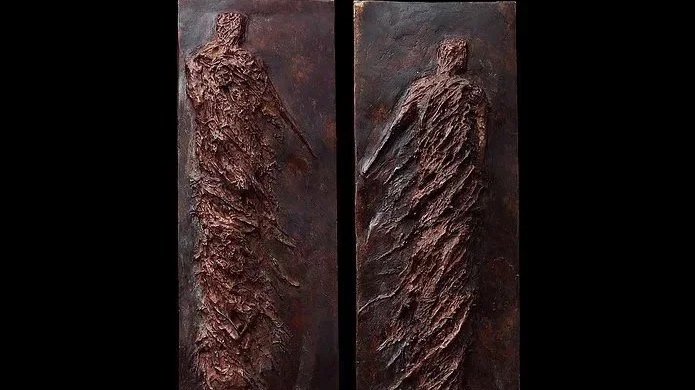
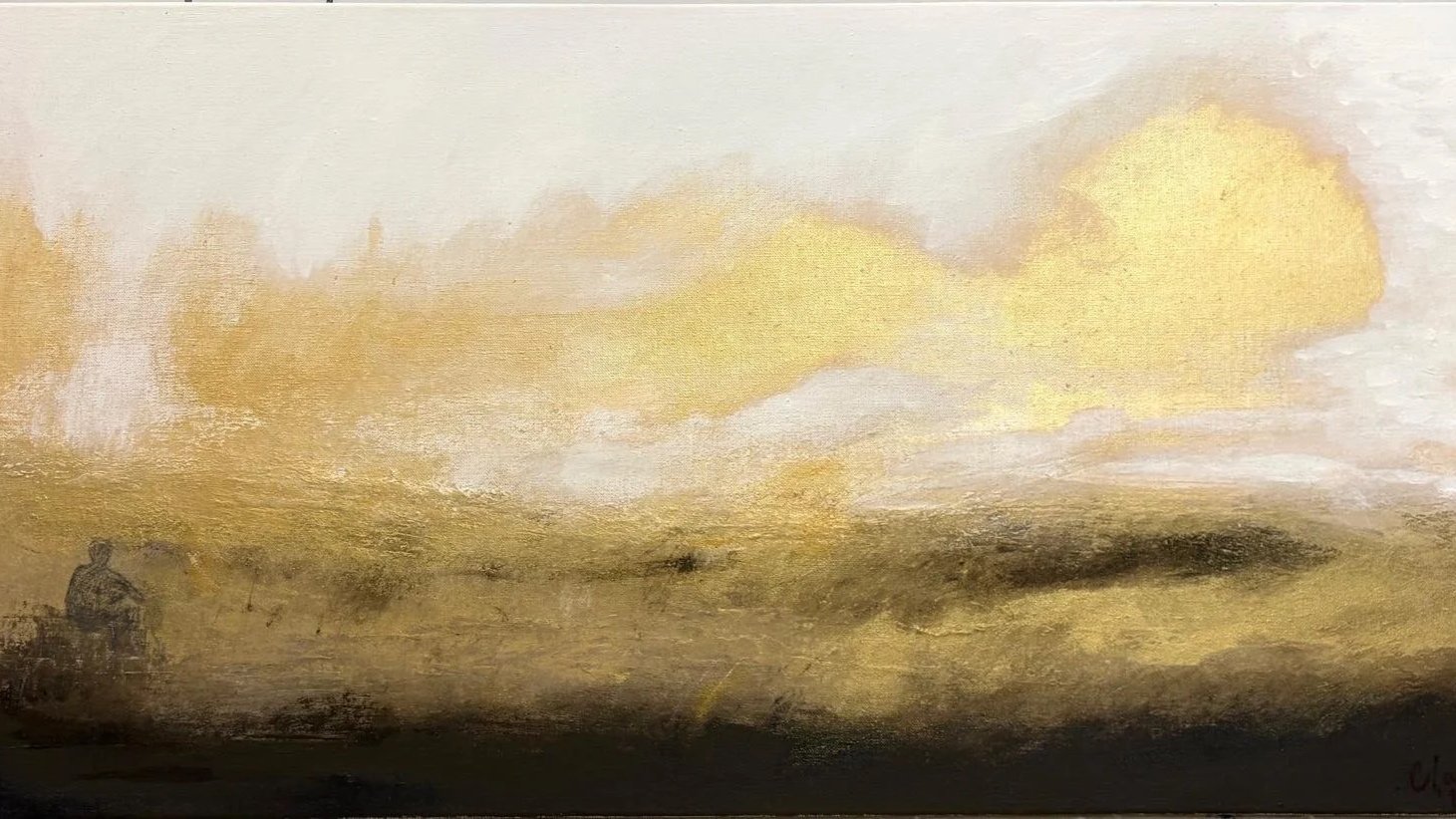
Catherine Clancy is an English painter and sculptor whose work explores the creation of beauty from the immaterial.
She studied at Central Saint Martins in London and in Paris as a pupil of Jean Touret, sculptor of the altarpiece at Notre-Dame. She holds a PhD in Philosophy and Fine Art from Chelsea College of Arts, University of the Arts London.
Her paintings and sculptures have been exhibited in London, New York, Bordeaux, including galleries, churches, cathedrals, sculpture gardens, museums, and private collections around the world.
In October 2026, she exhibits in Paris, rue de Rivoli.
"Art is held in the body. I work with my heart, listening. It is a conversation at depth, and every artwork is a call and answer to that depth."
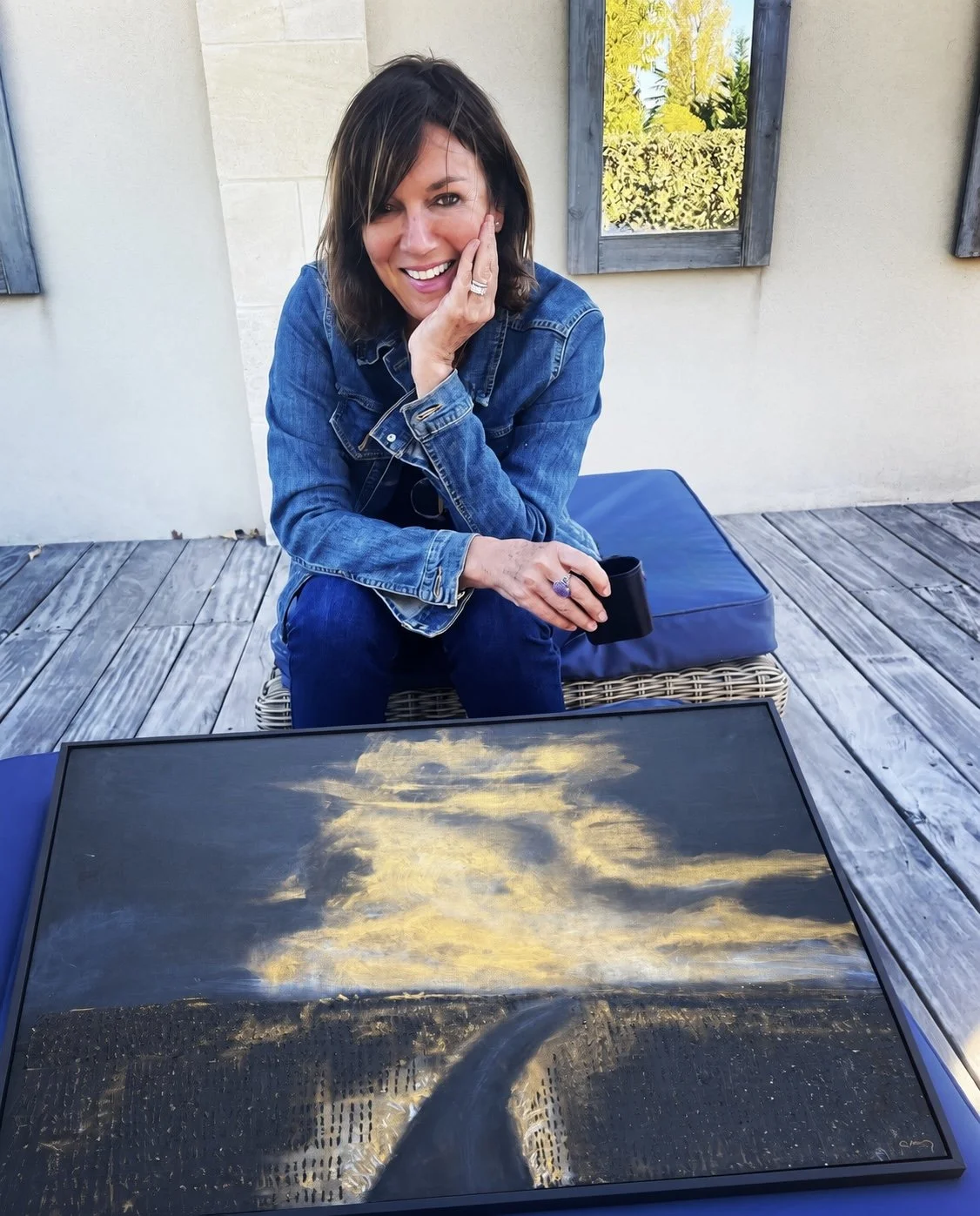
WHERE LIGHT BECOMES FORM
Catherine’s work moves between the outer landscape and the inner landscape.
In France, the changing character of the land, the vineyards and the fleeting presence of light become part of her visual language, not as something to reproduce, but as something to feel.
In London, poetry turns the gaze inward. Words, memory, imagination and silence become another landscape, where the unseen can gradually find form.
Across painting and sculpture, Catherine follows the same question:
“How can something immaterial, a feeling, a memory, a thought, a possibility, a call to the unknown come into existence?”
In her mind, the image always touches the depths before it reaches the surface.
Catherine Clancy

ACQUIRING THE WORK
Catherine works slowly and by hand. Each painting and each bronze is unique or issued in a small edition, and the studio releases only a limited number of works each year. Collectors in London, New York, and Bordeaux are acquiring now, ahead of Paris.
Catherine brings together the hand and the intellect in the studio, creating work that rewards long looking.
To enquire about available work, commissions, or a studio visit :
Please contact her Fine Art Sales Consultant
Jean Touret and Catherine Clancy, 1990